
The Lord's Supper (Matthew 26:1-26-29)

Use this guide to help your group discussion as you meet this week.
Transcript
Good morning. Good morning. My name is Spencer. I am one of the pastors here. We're going to be in Matthew 26, verses 26 through 29 today. Today we are going to look at the moment that Jesus instituted the Lord's Supper.
So we call this an ordinance. All right, this is something that God has ordained, that Jesus has ordained for us to practice as the church. So we have taught this a few times over the last few years. And we've come at it really hitting it, really the most important parts of it as we've walked through it. Today we're going to walk through this a little bit differently. We're going to give a little more background on this.
So if you love taking notes, today is your day. So we are going to look at this. There's a lot of significance and a lot of debate over the Lord's Supper. So I want to walk through the text in Matthew today and see what the Bible teaches us. Then I want to walk through historically how the Lord's Supper has come about.
The reality is that y'all have opinions on communion or the Eucharist or the Lord's Supper, even how you call it. You have opinions, you don't even know that you do, but that comes from a historical progression and how the church has approached this over the last 2,000 years. So we're going to walk through that. And then I want us to just get real practical at the end and show what we believe about the Lord's Supper and how we practice it. So let me pray and then we'll jump straight in.
And God, I thank you that you've given us this tangible, beautiful practice that we get to keep and remember what the gospel means to us. God, I pray that you'd help us understand this more deeply this morning. You'd help us be present. In Jesus' name, amen. All right, so verse 26.
Now as they were eating, Jesus took bread and after blessing it, broke it and gave it to the disciples and said, Take, eat, this is my body. And he took a cup and when he had given thanks, he gave it to them saying, Drink of it, all of you, for this is my blood of the covenant, which is poured out for many for the forgiveness of sins. I tell you, I will not drink again of this fruit of the vine until the day when I drink it new with you in my Father's kingdom. Okay, so this part of the meal really builds off of what we were talking about last week. And I hinted at this. This is the Passover meal.
So he has the disciples together in a room to take the Passover meal. So in order to understand the significance of the Lord's Supper, we need to understand Passover and what that means. All right, so Passover comes from the book of Exodus. This is something that was at the forefront of the Jewish calendar. So the Jewish calendar, right at the beginning, you celebrate Passover.
This is a meal of remembrance. It's their Independence Day. It celebrates the biggest redemptive moment of the history of the Israelites, really the formation of the covenant people of God. So, go back to Exodus. You remember Prince of Egypt, the movie? Take your mind there.
It's a classic. You should see it. Go back to Exodus. The Israelites have been slaves for over 400 years in Egypt. 400 years they've been slaves. And God says, no more.
He raises up Moses. He sends Moses to Pharaoh. And Moses goes to Pharaoh and says, let my people go. And Pharaoh says, no. And then one by one, God starts to enact judgment on the land in the form of plagues. So he turns the Nile River into blood.
He sends gnats and locusts and boils and all kinds of things. And at every turn, Pharaoh says, no. I'm not going to let your people go. Then finally comes the last plague. And Moses comes to him and says, if you do not let the people go, he will take the firstborn son of every house in the land. He will kill every firstborn son.
And Pharaoh says, no. So God tells Moses to go and tell the people. He tells the people that they need to take a lamb and slaughter the lamb. So he tells the Israelites, slaughter a lamb and take the blood of the lamb and put it on the doorpost and the lintel, the very top doorpost. Put it all over the door. And when I come through to enact my judgment, I will pass over your house.
Meaning he will not take the firstborn son of the house that has the blood of the lamb on it. So they do this. They slaughter lambs without blemish. They take the blood. They put it on the doorposts. The Lord comes through at night.
And he takes the firstborn son of every house of Egypt. All the Egyptians lose their firstborn son, including Pharaoh. And at that point, Pharaoh says, get out. And they're free. After 400 years of being slaves, they are finally free. He tells them to prepare a meal.
It's of unleavened bread. It's a quick meal for them. And then he says, remember this. You're going to have a celebration. It's called the Feast of Unleavened Bread. That every year at the beginning of your calendar, you're going to remember what I did.
That I saved you. That I redeemed you from being slaves in Egypt. That I saved you. The blood of the lamb saved you. All of that. And then what comes out of that throughout the rest of Exodus is God really forming his covenant people.
All of that history. All of that theology. All of that significance is packed into this meal. Jesus takes that and then says, all right. This is a new meal for my new people. Established on a new covenant.
All of that significance rolls up into this meal. Because in just a few hours after Jesus does this, he is going to the cross. And what is significant about this is that Jesus is going to become the Passover lamb. That the bread and the wine that he has out for them will be his body and his blood. His body will be given just as the lamb was sacrificed. His blood will be shed so that they will no longer be slaves to sin.
They won't feel the power of death through belief in him. That's the significance. Jesus becomes the Passover lamb. And he's holding this meal out for them to remember this. In fact, Luke adds this. He says, do this in remembrance of me.
That the church is commanded to remember the work of Christ. Not just that happens at the cross. But also, he says, he will not drink of this again until they are with him in his father's kingdom. The picture is when all things are made new. This is between the cross and the final wedding feast. When God, when Jesus returns, it makes all things new.
So this meal, we've taught this before. It's a meal of tension for a people in tension. Between the work of Christ on the cross and his blood that was shed for us so that we'd have faith in him. And also, the day when he comes back and makes all things new. That when we take the Lord's Supper, we remember his death. And we remember that sin will no longer remain.
That that is what we get to celebrate as the people of God. As we take part in the Lord's Supper. It is a practice for us to remember that we live in a kingdom that has come, but has not yet been consummated. Has not yet been finished. Alright, so. That's what's packed into the significance of this meal.
And he says, do this in remembrance of me. And the church did this. We see this very early on in the book of Acts. It's in Acts 2. After Peter preaches the Sermon of Pentecost. And 3,000 plus people come to know Jesus.
And place faith in Jesus. It says, and they devote themselves to the apostles' teaching. And the fellowship. To the breaking of bread and prayers. Now, the breaking of bread is significant. It just said they're taking part in meals together.
But that's not just what's being taught here. The breaking of bread is language for taking part in the Lord's Supper. So we kind of see in the New Testament that they would have had a meal together. And they would have taken part in the Lord's Supper. We see it again in Acts 20. In Acts 20 verse 7.
It says, on the first day of the week. When we gather together to break bread. That's not just eating a meal together. That is significant. They gather together on the first day of the week. Which is Sunday.
That's why we gather together on Sundays for worship. And they broke bread. They took part in the Lord's Supper. We're going to see a little bit later. And walk through 1 Corinthians 11. To see some more biblical.
How we should practice this. How we should not practice this. But that's how it begins. And then from there. It's really a 2,000 year history. Of the church developing this.
And thinking more thoughtfully about it. And trying to figure out how to practice it. So that's where we are. That I want to move to now. The reality is. Is that we have opinions on this.
We have opinions on this. Because history has an impact. On the way that we think about the Lord's Supper. First. This may seem tedious. If you don't like history.
Just bear with me for a few moments. But the reason that we. If you have any church background at all. There's a reason you have an opinion on this. My dad reminds me regularly. That I was Christian Lutheran.
He's a very proud Lutheran. He says you're a Christian Lutheran. I said yes I know. You've told me. 10,000 times. So.
I was Christian Lutheran. And the Lutherans. The Lutheran church. Has a different take on this. Than others. Eventually landed in a Presbyterian church.
And I walked through. Confirmation. In a Presbyterian church. So Presbyterians. Methodists. Catholics.
They'll go through something called confirmation. That it prepares them. It confirms their faith. So that. They can take. So that we can take the Lord's Supper.
And Presbyterians have a take on this. That is different. And then one time. I was with a buddy of mine. Who's Catholic. I went to mass with him.
And. I just followed him up there. And they called the Eucharist. So I followed him up there. I took part in the Eucharist. They served real wine.
And drank that. And thought. Oh this is. This is different. And then. Later on the ride home with him.
His mom is the sweetest lady. And she looked at me and said. Don't ever do that again. She said. You are not Catholic. You don't.
You know. Come with us. But don't ever do that again. And I was a little offended. And thrown off. But I appreciate that.
Because she understands. That the way they practice it. Is different. And I should not have taken part of it. And I never will take part in it. Ever again.
Fast forward a little bit later. I became a Christian. In a Methodist church. That's where I came to know Jesus. Methodists have a different take on this. And now I'm a Baptist pastor.
And we have a different take on this. So maybe you didn't follow me. Through the tour to denominations. But. If you have any background. At all.
There's a reason. If you have any opinions. There's a reason. So. Alright. Much of the debate.
Over how to practice the Lord's Supper. Hinges on one word. One very big word. Take. Eat. This.
Is. My body. Tens of thousands. Of pages. Have thought. Of thought.
Have been spent on. That word is. What does is mean? Is it. Jesus is saying. This is literally.
My body. Which has a different weight to it. Or. Is it. No. This.
It's figuratively. This. This is my body. And there's some. Some metaphorical usage here. That's where the.
The range of debate happens. Is on that. Word. And denominations. Are very. Very.
Very. Very. Much split. On what is. Means. So.
I'm going to walk through. Quickly as possible. From the early church. To today. So. The early church fathers.
Alright. This is second. Third. Fourth. Fifth century. All had.
Pretty vague notions. And understandings. Of what that word meant. At least that's what their writing says. They were. Basically.
To summarize it. They thought. That Jesus. Was somewhat. Spiritually. Present.
In. The bread. And the wine. Kind of. It just. It was.
General. Fuzziness. Augustine. One of the early church fathers. Who. When I googled.
A picture of Augustine. I could not resist putting a picture of Kanye up there with him. Augustine. For the five of you that appreciate Kanye. Even when he's crazy. Augustine.
Had. Had a lot to say about it. And still. In all of his writings. Was just. Real fuzzy on it.
Just yet. Jesus is present. In. Kind of. The bread. And the one.
So. The early church fathers. Had things to say about it. It was real mysterious. It wasn't real. Well defined.
Then. Fast forward. Seven hundred years. The Catholic church. Started to develop this. Further.
And further. And further. Until you get to. 1215. The year 1215. In 1215.
The church. The Catholic church. At the fourth. Lateran council. Finally had a position on this. They said.
This is what we believe. We believe in. Transubstantiation. That is a big word. Okay. But just transubstance.
Is what you need to see out of that. That when. This is what Catholics believe. That when you take the body. And the bread. And the wine.
It literally becomes. The body. And the blood. Of Christ. Literally. It.
Transubstances. I say transforms. But they would. Take issue with that. That it becomes. As they're drinking.
And as they're eating. The literal body. And blood. Of Christ. That was their position. They cemented finally.
After years of thinking about it. And if you want to nerd out. About how that came to be. With Aristotelian philosophy. We can do that later. I'm not going to bore.
The rest of you. But. That's the reasoning. That they came to. And they got really aggressive. About it.
Very quickly. Very quickly. They started to. They forced this. On the western church. This understanding.
That if you. As you're handling. The bread. And the wine. You are getting ready. To handle the literal.
Body. And blood. Of. Christ. To the point where. They started.
Stopped giving it. The wine. To lay people. Because they thought. If it got spilled. Oh no.
We're going to mess this up. Completely. And it just got crazy. And guess what? Some people. Did not like this.
Some people. You could say. Protested this. Some of those protesters. Were called. Protestants.
So if you're wondering. Why we're called Protestants. It's because we're the OG protesters. Okay. That. That is what they began to do.
One of them's name. Was John Wycliffe. John Wycliffe said. The church has. Lost its mind. This is crazy.
The Bible does not teach this. The early church fathers. Do not agree with this. What are we doing? He taught a lot of things. He's one of the reasons why.
Bible translation came into being. We have so much to be thankful for. From John Wycliffe. And the Catholic church. Appreciated him so much. That when he died.
They unearthed his body. And they burned his bones. We had Twitter. They had unearthing and desecrating bodies. That is what they did. They were very mad at his teachings.
So. This began to turn to a movement. Of protesters. Of Protestants. And one of them was a very ornery. German monk.
Who really was the biggest protester of all. And his name was Martin Luther. Martin Luther comes along. And we have so much to be thankful for. About Martin Luther. Luther.
He taught things like. Sola Scriptura. Which is Latin for. Scripture alone. It is the reason why we go. The Bible.
That's our understanding. That's our authority. Of how God has spoken. The Catholic church looks to. Doctrines and teachings. Of the church.
And we say. No. The Bible. What does the Bible say? He's the reason why we believe in faith alone. Which is sola fide.
It's the idea that we're not saved. By our works. You hear that all the time here. We're saved by. Faith in Jesus. It's not faith and works.
No. Faith. There's so many things we're thankful for. That Luther helped shape us. The reason that we're here. In this room today.
By God's sovereign plan. Is bringing about people like Luther. He said. No. However. Luther didn't get very far from the Catholic church.
On the teaching that comes with the Lord's Supper. That's why Lutherans are kind of seen a little bit. As diet Catholic. Catholic light. They look very similar. In a lot of ways.
Which would make Luther roll in his grave. But that's the reality. I found out. Like a month ago. That my grandmother. On my dad's side.
Was Catholic. Never knew this. And I was like. That's crazy. He said. Yeah.
So when she married your grandfather. And. And. And. And. She wanted.
You know. It was easy for her to become a Protestant. Because he was Lutheran. It was the easy jump. And I was like. Oh.
That makes a lot of sense. And the. The reason it does. Is because of his teaching. On the Lord's Supper. And that is consubstantiation.
Big word. Consubstantiation. Which answers the question. Does the bread. And the wine. Become the literal.
Body. And blood. Of Christ. And the answer is. Yes. Maybe.
No. Kind of. Sort of. General position. Of the Lutheran church. On this.
So literally what they say is. It teaches that the body. And the blood of Christ. Are present. In. With.
And under. The elements. Under. And with. The bread. And.
The wine. Is that. Is that. Is that clear. Clear. Clear as mud.
I mean. Like I said. Did you put cyanide in the punch. You said. No. No.
I didn't. It's not. It's not. It's not cyanide in it. It's just. In.
With. Under it. It's just. We're fine. You go. Wait.
What? Exactly. And that is what the Protestant movement said. They said. No. You did not go far enough.
We are. We are. We are completely ditching this. And the Protestant movement. Went even further. And one of those men that came along.
That. That fought that. Was named. Zwingli. Zwingli. I will not pronounce his first name.
Because it is Swiss. And I'm not going to try. But. Zwingli came along. And he debated Luther on this. He agreed with Luther on all these other things.
But not this. He said no. He presented something called the memorial view. The memorial view. And that view. Is that the.
The bread and the wine. Is a sign. It is a symbol. That when Jesus said. Do this in remembrance of me. That's all it was meant to be.
Was a sign. Was a symbol. To remember what Jesus has done. That Jesus. After his death. Ascended to.
The right hand of God. That is where he is. He is not. All up in the elements. Around it. With it.
Transformed. No. It is a sign. That helps us remember. What Jesus has done. So after that.
I'll give you one more. Along came a man named John Calvin. And the fact that none of you. Jumped that joke. Means. This is the wrong room.
Maybe later. All right. Calvin. Came along. And he said no. It was kind of a middle ground.
Between Lutherans. And Zwingli. He said no. He called the spiritual. Presence view. All right.
The spiritual. Presence view. This was. Saying no. It's not just a sign. It's not just a sign.
But also. No. It's not this in with around. No. Jesus is present. Really in a mysterious way.
My professor summarized the position this way. He said the bread and the wine are still symbols. But not empty symbols. Although the elements do not become the body and blood of Christ. They are a sign that Christ himself is really present. He would say things like no.
Jesus is divine. He's not just confined to being at the right hand of the Father of God. He's omnipresent. It means he's everywhere. So no.
He absolutely can be present. But ultimately I appreciate this one thing that Calvin said. He said it is a secret too lofty for either my mind to comprehend or my words to declare. And to speak more plainly. I'd rather experience than understand it. So he just left a lot of mystery.
That Jesus is somehow present in it. But we just don't know fully. Now okay. That's a lot of history all at once. And that's a lot of taking all at once. But the reality is that if you're Catholic.
Or Catholic background. Or Baptist. Or Anglican. Or Presbyterian. Or Methodist. Or any of that background.
It flows from that long progression of history. The reason you have opinions on it. Comes from this. So. Given all of that. And given how we walk through the scriptures.
And the importance of it. We're going to see in a moment. We want to handle this meal carefully. And reverently. And thoughtfully. Like we want to understand this.
And as good Baptists. Our approach is. Yes. History is nice. What does the Bible say about this? That's the drum we beat.
What does the Bible teach on this? So. I wanted to. Give us just six very practical. This is. We as a church.
What we believe about the Lord's Supper. And how we practice it. Just these are questions that we've gotten over the years. And I just want to be able to walk through this together. And how the Bible approaches this. Alright.
So. So. Six things that we believe about the Lord's Supper. Alright. So. And all those positions that I gave.
And all the different views on the Lord's Supper. And how you believe what it is. We are. Memorialists. And. Jesus is present in the moment.
So. We. We as a church. Our approach is. Is a little bit in a squishy middle ground. Between believing.
What Zwingli taught. Which is a classical Baptist position. That it is a sign that helps us remember. And. But we're not as far as the spiritual presence.
That. That. That. That. That Calvin taught. Either.
We're somewhere in the middle. We believe. That when Jesus said. This is my body. He did not mean that literally. You know how we know this?
Because he said. I am the door. I am the vine. And I don't look at doors in our church and go. Maybe. Maybe he's present.
We don't do that. It was clearly a metaphor. I mean Jesus is giving the bread and the wine. Literally. It's. It.
It. He's detached from it. The experience itself. When he instituted this. He gives it away. He is not saying.
I am literally. This bread. And this wine. I don't know how you get to that. Biblically. And we don't.
Believe that. But also. We believe the Holy Spirit. Is doing something. Very unique. Very mysterious.
There's a lot of gravity. Given to the moment of communion. We believe that Jesus. Absolutely. Is present in the moment. I agree with Calvin.
We don't. Think he's just confined to the right hand. The Father of God. He's with us. When we're. When we're.
Worshipping. He's with us. As we're sitting with the authority of God's word. He's with us. As we take. The Lord's Supper.
And remember. What he has done for us. So we're in the middle ground. Between the two. Realizing this helps us. Remember the work of Christ.
And he is with us. As we take. The Lord's Supper. All right. So. The next two big questions we get.
Is on who can take the Lord's Supper. And. Who can administer it. Who can actually give. The Lord's Supper. And in order to understand.
Those questions. We have to go. To what the Bible teaches on this. And the case study that we get. That teaches us. How to take the Lord's Supper.
How not to take the Lord's Supper. Is. First Corinthians 11. First Corinthians 11. Gives us that case study. Of how this went terribly wrong.
In the church. Of Corinth. So. First Corinthians 11. Verse. 20.
You guys are doing great. I know there's a lot. When you come together. It is not the Lord's Supper. That you eat. For in eating.
Each one goes ahead. With his own meal. One goes hungry. Another gets drunk. What. Do you not have houses.
To eat. And drink in. Or do you despise. The church of God. And humiliate. Those who have.
Nothing. What shall I say to you. Shall I commend you in this. No. I will not. All right.
So what is he getting at there. Because we just jumped into. A situation. One of the fruits. Of the gospel. Is.
Unity. Unity. Unity in the body of Christ. It shows up again. And again. In the New Testament letters.
It is why. That we wrote a song about it. As a church. We care. About. Unity.
Because God. Cares. About. Unity. Unity matters. And here is what the church of Corinth.
Was doing. They met in homes. For worship gatherings. Homes of richer. Christians. The richer Christians.
Would start. The meal. Would start. The part of the Lord's Supper. And they would eat. And be filled.
And they would drink. So much. That they got drunk. That when the poor Christians. Showed up. There was.
Nothing. They had nothing. To take part in. They used. Hear this. They used the Lord's Supper.
As a way. To divide. People. In the church. Brothers and sisters. Based on their socioeconomic class.
Based on who had money. And who did not. It's absolutely. Wicked. That not only. That Christians.
Would be separated. In different classes. When it comes to who has money. And who has not. But that they would use.
The Lord's Supper. To do that. God. Was not pleased. At all. Fast forward.
Down to verse 27. Whoever. Therefore. Eats. The bread. And drinks.
The cup. Of the Lord. In an unworthy manner. Will be guilty. Concerning the body. And the blood.
Of. The Lord. And that is a warning. That applies directly. To that church. And how they were misusing it.
That applies broadly. To the. To the rest. Of the church. That if you. Do this.
In an unworthy manner. That's the heart. Why people debated this. For so long. That's the heart. To do this.
In an unworthy manner. You just have to understand. The context. Of what he's getting at. You do this. In an unworthy manner.
You will be guilty. Verse 28. Let a person. Examine. Himself. That is why.
When we. Present the Lord's Supper. We say. Take a moment. Don't just come up here. Flippantly.
Don't just come up here. Just because it's part of the process. It's what we do. No. Take some time. And reflect.
To think upon your own sin. To remember what your sin. Cost. Remember how good the gospel is. That Jesus. Died for our sins.
To remember your sin. And remember your. Savior. That's what we say. Examine yourself. To check your own heart.
To understand. The gravity of this moment. When we come and take the Lord's Supper. Let a person examine himself then. And so eat. Of the bread.
And drink. Of the cup. For if anyone who eats. And drinks. Without discerning the body. Eats.
And drinks. Judgment. On himself. That if you do this. Not reverently. If you don't discern.
Your own heart. If you don't do this. In a way that honors this. You'll bring judgment on yourself. Verse 30. That is why many of you are weak and ill.
And some have died. And catch what he said there. Weak. Ill. Some of you have died. Some people would be like.
You know. I don't like the Old Testament God. Because he's really violent. And people get struck down. I like the New Testament God. Because I like.
I like Jesus. Because he's. He's loving. He never would do any of this. And it's like. I don't think you've read the Old.
Or the New Testament. That God is abundantly loving. And gracious in the Old Testament. And also. God brings the hammer down. In judgment.
In the New Testament. That the New Testament church. Did this. Some got weak. Some got sick. And some.
Died. There's a lot of. That. This is why the church. Has been so. Paranoid.
In a good way. Sometimes not. In trying to understand this. Because this. Matters. Immensely.
We don't want judgment. To be brought upon us. In how we take this. So. When you understand that. And walking through.
Kind of all that. And understanding. Of how to take part. In the Lord's Supper. To do this reverently. To understand.
When you. When you get there. Then you can answer the question. Who can take part in this. And who can. Administer this.
So the second one. Who can take part in this. Christians. Walking in faith. And repentance. Can participate.
In the Lord's Supper. So. The Protestant church. Has largely taught. This meal. Is a meal.
For. Christians. It is a meal. For Christians. If you are not a Christian. We even say this.
When we do it. When we present it. Well if you are not a Christian. Well we do not want you. To take part in this. Part of it is.
Is we don't want you. To bring judgment. Upon yourself. But other part of it is. Is why would you take something. And miss the meaning completely.
This is a meal. For the people of God. To remember. And understand. What it means. So.
Protestants. Of largely greed. No. This is a meal. For Christians. Baptists.
Well we have some. Even more positions. On this. You might be thinking. Seriously. There are more.
Positions on this. Yes. There are. I don't know if you know this. Baptists have a lot of positions. On a lot of things.
From drinking. To dancing. We have lots of positions. We are like the SEC. Of denominations. It just means more.
For those who watch the SEC network. All right. Baptists. Real quick. Three different positions. The first position is.
Something called. Closed. With a D. Communion. And that idea is. Is that for anyone.
To come and take part. In this Lord's Supper. You have to. Be a baptized. And when we say baptized. We mean.
That you must. Believe in Jesus. And then be baptized. Which is the. Bad position. Position of baptism.
That you must be. Baptized as a believer. And be a member. Of this exact. Local church. That is closed communion.
Nope. That's not us. That's. That's. That is. That is a minority position.
But that does exist. The next position. Is called. Closed. Without a D. Closed.
Communion. And that is. The idea. That you can be a Baptist. At another church. As long as you've been.
Baptized after belief. Come. Take part in the Lord's Supper. That is who can take it alone. We also. Do not agree.
With that position. If you want to talk more about that. And why we believe that. We can. We don't have the space for it now. We do not agree.
With that position. The last position for Baptists. Is called. Open communion. And that is what we believe. Open communion.
Says that if you are a Christian. If you believe in Jesus. If you are not. We had a caveat. If you're not. Under church discipline somewhere.
Meaning you're in good standing. You're not running away from Jesus. That if you believe in Jesus. I don't care what your position is on baptism. Come and take part in this meal. Because that.
Listen. I'm not going to disunify you. Because you have a different take on baptism. That would be treating you like you are not a Christian. And that's not what we're going to do. If you believe in Jesus.
Come. Take part in this meal. And if you want to talk about that later. We can. That is our position as a church. If you're a Christian.
Come. Take part. Third. It deals with who can administer it. We believe it is wise. For pastors and those under our authority.
To administer the Lord's Supper. So. We believe it is wise. I use that word intentionally. Wise. Not mandating.
This is how things have to be done everywhere. For our church. We believe it's wise. The Catholic Church. Placed. A very heavy emphasis.
On clergy only. Clergy. The only ones that can handle it. And that makes sense. If you understand their theology on it. You're handling the literal body and blood of Christ.
So. Protestants have rejected that notion. And there's disagreements. On who can actually handle it. Some believe. No.
It only has to be a pastor. Others will say. No. It can be. It can be a deacon. Others can say.
No. Whatever. Two or three are gathered. It doesn't matter. We can take it. We wouldn't hold to that.
Either. Some believe. It can only be done on Sundays. As we gather for worship. Others would say. No.
It can be done in homes. Which is what the early church did. They would have a meal together. Because we do see the Lord's Supper. Was. You know.
Attached to. A fellowship. Meal event. And they would take the Lord's Supper. Here's what we believe. We believe.
That the normative. The normal pattern. Of how we practice the Lord's Supper. Is us as pastors. Presenting the Lord's Supper. And then us taking this together.
But we also believe. It is very special. And y'all. It is very good. When this happens. Occasionally.
In our groups. That we authorize our group leaders. Our group leaders are deacons. That we trust them. That we trust them. To correctly handle.
The Lord's Supper. There's a lot of beautiful. Gospel. Forgiveness. And repenting of sin. After a fellowship meal together.
When it happens in. The home. So we authorize our community. Group leaders who are deacons. Yes. On occasion.
Do this in. Your home. But the normative pattern. Is us coming together. And presenting this. Because we want to make sure.
That we are doing this. In a way that honors. And gives reverence to that. If you want to talk more about that later. Also. I'll be around to talk about that as well.
All right. The next question is. How often do we do it? That's the fourth thing we'll get into. We believe. It is.
We believe in regular. Regular observance. Of the Lord's Supper. We believe in regular. And I would add. Almost weekly.
Observance. Of the Lord's Supper. Now. There are a lot of churches. Lots of churches. Even.
Lots of Baptist churches. That do it quarterly. And some of the heart behind that. Is. Everything we just talked about. And revering it.
In a way that we won't want to do it. So often. That we would lose. The value. And the meaning. So.
So. If you do it too much. Then you'll. You'll miss out on. All the. All the.
It's supposed to mean. You'll just. It'll just be this ritual. That you go through. And I understand. I understand that critique.
But we look at passages. Like 1 Corinthians 11. When it says. When you come together. Which gives. The.
This is happening regularly. We look at the book of Acts. Where it seems they came together regularly. And see. This is actually a regular part of worship. And y'all.
We need. The gospel. Every week. To be reminded. Of the gospel. When we come and worship together.
And this is a very tangible. Reminder. Of how much we need Jesus. Of how much we need. Repentance of sins. Of how good.
His grace is. So we shoot for. Regular observance. We have. You know. Reasons that we haven't done it regularly.
One being. A global pandemic. We haven't done it. In a year. Actually. Like a year.
Maybe. I think this week. Or next week. Because we just said. No. It's not wise for us.
In this period of time. To be doing this. But as the pandemic. Is waning. We're going to. To be.
Starting to bring this back in. Around. A monthly ish. Over the coming months. We'll be doing this. Until we get back to.
Regular. Weekly. Doing this. And then other times. We'll have prayer. Instead of this.
Sometimes we'll do baptism. Instead of this. But we want to. Regularly come. And take part. In the Lord's Supper together.
All right. Two more you guys. Should it be juice. Or should it be wine. That's a question we get sometimes. We believe it's wise.
For our church. To use juice. Now. Some people believe. That Jesus. Only drank.
Grape juice. That what they're actually drinking. In the New Testament. Is not wine. That is not true. It's not historically true.
Not even close. Thomas Welch. Invented grape juice. In the 1800s. That is why we have. Welch's grape juice.
He figured out. Literally. That's why. Welch's came from. Welch's came from. Thomas Welch.
Who was a Methodist. Who said. I want to have. Something that. That alcoholics. That wouldn't be able to take part in.
That we can serve. At our churches. And he figured out. The process. Of how to make grape juice. Without alcohol.
In it. Some on the other hand. Will say. No. Jesus used wine. Therefore.
We have to use wine. I came from a church. Before. Our church. Where they gave two cups. Someone was holding juice.
And wine. And it was your conscience. Whatever you wanted. You took part in either. Here's the deal. We believe as Baptists.
That it's a sign. It's a sign. That Jesus is present in the moment. But it is a sign. Therefore. We think juice is a very acceptable sign.
And we're not going to serve wine. Because it would. It would. It would violate the consciousness. Of some of the people in our church. And we're not going to do that.
Why. Why would we create disunity. In how we take this. We're not going to do that. Juice is completely. Acceptable.
And for the ones who serve only wine. I don't think you're thinking about those. Who may be addicted to alcohol. And your presence. So we believe.
No. Juice is absolutely acceptable. And if you want to have a discussion about. If it's bread. If it should be unleavened. Like pita.
Or should it be leavened bread. We can have that later. The church has had some things to say. But not a ton to say about that. We believe it's a sign. So it's fine.
Some people will go. Well can you do Oreos and Mountain Dew? No. That's dumb. We believe juice. Bread.
Alright. All of that. All 37 and 20. 37 minutes and 26 seconds. Of all of that background. Okay.
I think it's helpful. Have it in the back of your head. Okay. Because I think it's helpful to understand. Why you approach the Lord's Supper. Here's where we've preached entire sermons on.
And is the most important aspect of the Lord's Supper. It is this right here. The Lord's Supper. Is a unique act of worship. That gives us a tangible reminder of the gospel. That's it.
That's where we post up. Most of our time. Most of our thought. Is right there. It is a unique act of worship. That gives us a tangible reminder.
To remember the gospel. Every week we present it. Is an opportunity for you to think about. The sin. Maybe the sin that you fell into this week. And the sin that you feel shame over.
The sin struggles that are plaguing you. And we say remember. Remember that Christ died for your sins. That He loves you so much. That He didn't leave you in your sin. And your brokenness.
That He came and His blood was spilt. And poured out for you. So that you could have fellowship. And faith with Jesus. For the long haul. And it's not just that.
It is a reminder that. We live between the cross. And when all things are made new. And for those of you that are struggling right now. And your sin. It is a reminder for you to remember.
That this is not the end. That the sin that you feel so heavy. On your soul. That's not the final picture. One day Jesus comes back. And all things will be made new.
And when that day comes. Sin will be a distant memory. Your broken and failing body. Will be a distant memory. All we will have. Is beautiful.
Wonderful. Fellowship with the King. That is what this meal. Gives me a reminder of. And we get to come. Every week that we take it.
And remember. How good Jesus is. I'm going to close. With one reading. It's from the Heidelberg Catechism. It's like a 400 year old catechism.
Catechism is a question and answer style. It helps you understand. Truth. And I'm just going to read. From the Heidelberg Catechism. Because I think this is a great word.
To set us up. The question. That is presented. In the Heidelberg Catechism. Is this. How does.
The Lord's Supper. Remind you. And assure you. That you shared. Christ's one sacrifice. On the cross.
And in all. His gifts. Hear this. Here's the answer. In this way. Christ has commanded me.
And all believers. To eat this broken bread. And to drink this cup. With this command. He gave the promise. First.
As surely. Hear this. As I see. As I see. With my eyes. The bread of the Lord.
Broken for me. And the cup. Given to me. Y'all look. Upstairs. Look back there.
Look. Look at it. As you see it. With your eyes. As you visualize. His body broken.
His blood shed. So surely. His body was offered. And broken for me. And his blood poured out for me. On the cross.
Second. As surely. As I receive. From the hand of him. Who serves. Verse.
And hear this. Taste with my mouth. The bread. And the cup of the Lord. That as you eat. And drink this.
As you are literally. Tasting it. It is a. It is a. It is a way for you to remember. His body.
Was broken for my sin. That his blood was poured out. For my sin. How good. Is my God. Taste with my mouth.
The bread. And the cup of the Lord. Given me. As sure signs. Of Christ's body. And blood.
So surely. He nourishes. And refreshes. My soul. For eternal life. With his crucified body.
And poured out blood. Amen. The band is going to come up. We are going to take. The Lord's Supper. For the first time.
In a year. Now. Before I present this. Let me just give you. Some logistics on it. Because it is a little bit different.
If you have been here. With us before. We usually have. A bowl. Or basket. Of bread.
That you choose from. And a cup. That you can dip in. And right now. We are not going that route. By the end of the year.
God willing. We will get back there. But for right now. We have individual cups. Those individual cups. Were prepared by people.
Who washed their hands. I think they wore gloves. I wasn't here. Because I was doing something else. Were they wearing gloves. Chet?
Yes. They were wearing gloves. They had masks on. They put them very carefully. And those cups. They are clean.
They are sanitized. What I want you to do logistically. Is to come up as you are ready. Give some distance. Between the person. You and the next person.
Alright. Give some feet of distance. Grab two of those. Go back to your seat. Take part in the Lord's Supper. Put the cup underneath your seat.
When you are done. And when we leave for today. There will be a trash can out there. Please put it in the trash can. When you leave. Alright.
That is the logistics. Let me present this for us. On the night that Jesus betrayed. He took bread. And he broke it. He said.
This is my body. It was broken for you. And he took the cup. Which is the cup of the new covenant. He said. This is my blood.
That was shed for you. That as often as you eat. And drink this. You proclaim my death. Until I return. And that is what we get to do right now.
Some of you came into here. With burdens on your soul. Some of you have been dealing with sin. Some of you. Some of you. Some of you.
You have disunity with another Christian. Right now. That you have resentment with them. That you are struggling with them. I would actually. Invite you to not take part in this right now.
I would ask you right now. To remember the unity of the gospel. And maybe you need to leave this room. And make a phone call before. Before. But before you can take this meal.
I want you to be unified. With another brother and sister in Christ. But Christian. Come. Joyfully to the table. And remember.
That Jesus died for our sins. And how good is it. That by grace. We have been saved through faith. We don't have to earn his favor. But this reminds us.
Of how good he is towards us. If you are not a Christian. Please. Do not take part in this meal. I want you right now. To take part.
In Christ. I want you to believe in him. I want you to understand. That the God of the universe. Loves you so much. That he gave his life for you.
So believe. In him. For those of you who are Christians. Come forward. There are tables in the back as well. And for those in the back.
There are tables up there. Take part in the Lord's summer. Remember how good our Savior is. Let me pray. God I pray. That you would.
Help us see. Help us taste. And see. Right now. That you are good. That your steadfast love.
Was shown so beautifully on the cross. For our sins. That we come in repentance. That right now. We sit. In a moment of reflection.
That we come. To the table. God I pray. That you would help us. Understand this. And the gravity of this moment.
That you be with us. God I pray. There is anyone here. That has not trusted in you. Lord. May you help them.
See. You are worth it. We believe you are better than everything else. And may they believe it too. And may they trust. And believe in you.
In Jesus name. Amen. Amen.
Baptism and Communion
Transcript
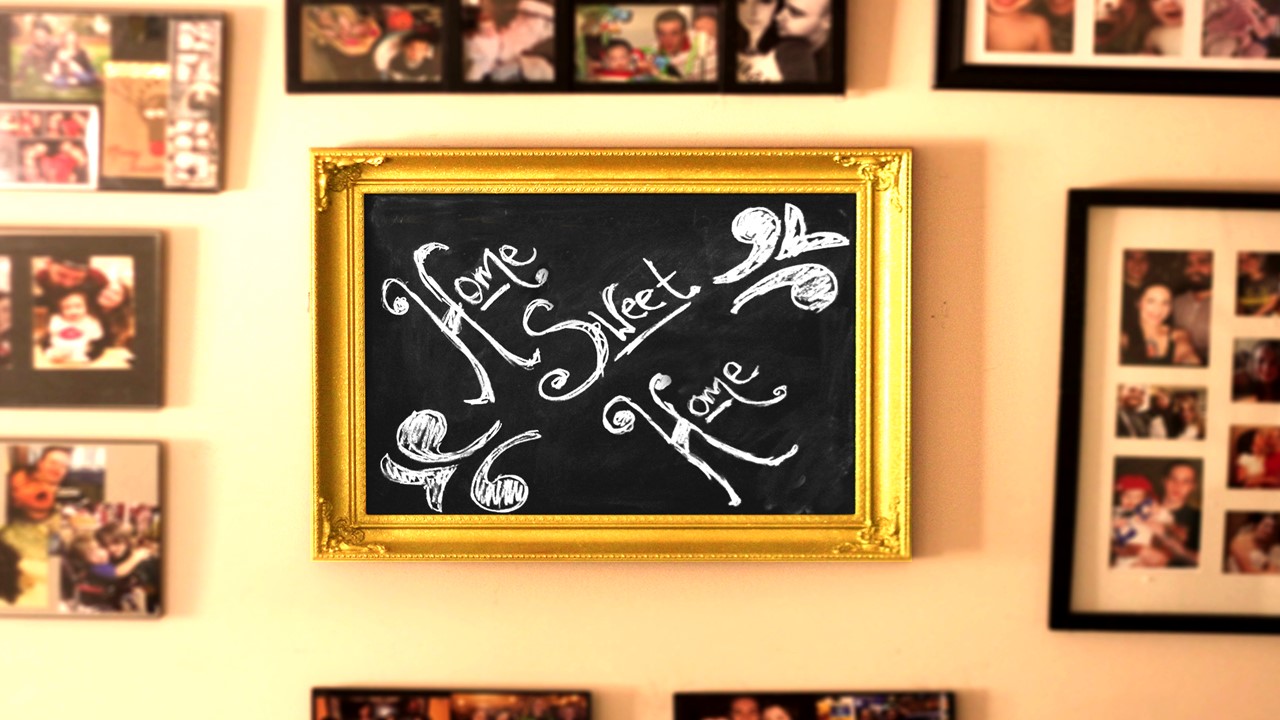
Good morning. My name is Chet. I'm one of the pastors here. We're in our fourth week of our Home Sweet Home series where we're discussing the church. We're just taking some time to dive into what the Bible says about God's people, about his church that Jesus died for to make his. Much of scripture is about the church.
It's God's plan, his people that he's going to use to redeem as he saves through the cross, that he's going to use a people to spread that message, to see more people come to know him, that once you become a Christian, once you've placed faith in Jesus, your sins are covered by him, that you're a part of his church, and that he dearly loves the church, that he bought the church. And so as we've gotten into this and continued to study and try to decide exactly what we ought to grow in and begin to understand, we started realizing there's some things, some gifts given to the church, some guards, some defenses given to the church that we really needed to spend some time talking about together. And so if we don't understand the context, the reason why these gifts were given to the church, then there's a danger of us completely missing the point. And so for the next couple of weeks we're going to talk about, today we're going to spend some time talking about baptism and the Lord's Supper.
So baptism and communion, we're going to spend some time talking about the Bible. In the next couple of weeks we're going to talk about the Bible, we're going to talk about leadership, we're going to talk about church discipline. So baptism, communion, the Bible, church leadership, and church discipline that are all actually gifts given to the church for the good of the church, for the protection of the church, because Jesus loves the church. But if we don't understand the context, we kind of miss the whole point. So if I told you that my wife stood up and yelled, What are you, blind?
It'd be helpful to know context. If we're at a baseball game, that's fine. If she's talking to me about the outfit I've picked out for us to go on a date, suddenly context matters and my feelings are hurt. Not really, I'd just be like, what? But it matters.
So when you watch the beginning of a James Bond movie, I always loved how they would take him in, they would tell him, they would kind of brief him on who the enemy was, what was happening. There was this crazy bald guy with a cat, and he wants to take over the world this way. And it was like always really big things. It was never like, it was always massive global domination, global destruction plans. And they bring James Bond in, and then they would take him into this room, and they would show him all these like tools for this particular mission. This pin shoots a bullet.
Let me show you this Audi that I've put missiles in. It also cooks hot chocolate, and those buttons are next to each other. Do be careful out there, James. Like they would always bring him in and show him all these things, and then like, but that doesn't happen in romantic comedies. Like in romantic comedies where their friends are discussing like how to go on a date, and maybe they come up with this crazy plan of like, I'm going to talk in your ear, or this is what you need to know. So like in Sleepless in Seattle, when he's sitting with his friend, and he's talking to him about, I'm trying to get back in the game of dating, and I need you to coach me up.
It would be weird if he was like, well, I've got a pin that shoots a bullet. He'd be like, what? Why do I? And I've got a car that has missiles. It's like this, that's what, I don't understand dating anymore. Like I've been out of the game way too long.
If I need a pin that could shoot somebody, like what on earth? And there's a little bit of us that when we approach some of the gifts given to the church, if we don't understand the context, we're not going to treat them appropriately. We're honestly not going to appreciate them. So let me give us a little bit of context, the cosmic story that is found in scripture, so that we can understand that when Jesus gifts the church with something, the context in which he gives it. God designed the earth perfectly. It was designed for humanity to flourish, for there to be joy.
Like he gifted the earth with good things for man to discover and to create and for humanity to come together, male and female, and to create more life and to have dominion over the earth and enjoy it. And humanity rebelled against God through the leadership of Satan. That in the very beginning pages of scripture, Satan shows up and we find out that God has an enemy. And because God has an enemy and God loves humanity, humanity has an enemy. Sin enters the picture. God immediately promises that he's going to fix this.
He's going to redeem. And he's going to fix this brokenness. And what we're faced with throughout the rest of the Bible is that we are, humanity is, caught in a cosmic conflict. That there is an eternity. We were designed to live for eternity and that each of our souls will exist for eternity. Either united with God in heaven or separated from God in hell and that there is an eternal, an eternally urgent conflict for the souls of every human you've ever met.
And when God gifts the church, saves the church, comes as Christ to die for the church to make a people for himself and then he turns around and says, this is how you ought to act. This is how you ought to treat each other. This is important for you. This is important for you. He does that in the context of that conflict. If your grandparents or great-grandparents or your parents explained to you how life worked during World War II but did not explain to you that there was a world war going on, you might be a bit confused.
Because you'd need the context of the conflict to understand exactly why they lived the way they did, made the bombs and the planes that they did, rationed food the way they did, why so many males from the United States left and didn't return. If you didn't understand the conflict, you wouldn't understand. Christianity is not just a religion where we practice some ceremonies. It's a people redeemed by the blood of God to be made, to be saved, to be made into his people in the midst of this conflict. If a father hands his son a sword and says, wield this with courage and boldness and bring honor to our name, a tear rolls down his face and his son is eight and on his way to a picnic, that was highly inappropriate.
And a doctor should probably talk to that dad. If his son is 30 and on the way to a battle and his mom runs in or his dad runs in and says, I made you a bag of sandwiches, have fun. Equally not helpful. Maybe he'll eat a sandwich on the way there, but the sword would have been better. I fear that when it comes to things like, specifically today as we talk about baptism and the Lord's Supper, that we've begun to believe that the sword and the shield hanging over our mantle are there for decorative purposes. We've museumed them.
We've taken armor. We've taken weaponry. We've put it in a glass case and said, isn't it pretty? And when you read about it in Scripture, it was not designed to just be ceremonial. It was not designed to just be decorative. The way Paul talks about it as we're going to read today, the way Jesus commands it and gifts the church with it, it was designed for our good and for our defense against our cosmic enemy, which is sin and Satan.
The problem with us is that our culture, and because we're in our culture, us, don't understand the danger of sin. We don't understand the destructiveness of sin. We don't understand the eternal cosmic proportions of sin. So we think, ah, everybody's having sex. It's not that big a deal. We celebrate it.
Ah, a little bit of greed, a little bit of self-promotion, a little bit of, you know, like it's, you don't want to be too humble so people will run you over. You want to have some confidence and some self-respect, and we've dressed up sin and acted like it's a little bit okay. Or we'll act like, well, this sin's not that big a deal. When the Bible at no point ever Acts like sin is not a big deal, Jesus died for sin, and somehow we lose that. So today I want us to pull the sword and the shield from off the mantle and realize it wasn't built decoratively.
It was meant for something much more as we talk about baptism and the Lord's Supper. Let's pray, and then we'll jump in. God, we thank you that you actively went to war on behalf of your church against sin. That rather than destroying all of us who were your enemies, you were destroyed for us in a fight against sin. That you separated sin from sin. And God, we praise you.
We praise you that you made a way to destroy sin without destroying all sinners. And God, we praise you and thank you for the gifts that you've given to your church to defend her. The gifts that you've given to us to protect us from your enemy and our enemy. And God, I pray that as we study this today, we would grow in our appreciation and our valuation of specifically baptism and the Lord's Supper as we talk about it today. That we would quit treating it as a ceremony but actually interact with you in it. Proclaim the gospel through it and fight sin actively.
In Jesus' name we pray. Amen. So what we've got to do in our time this morning is answer the question what is baptism? What is the Lord's Supper? And then physically, what actually is it? And then we'll talk about why.
How it helps us. Why it was gifted to us. Why God has blessed us with it. So baptism, we'll take baptism first and then we'll look at the Lord's Supper in a second. So we're going to be in Romans chapter 6.
We'll spend most of our time there as we answer the why question. But before we get there I just want to show us a few places in scripture, reference a few places in scripture and answer the what question of baptism. The first time where baptism is mentioned is John the Baptist comes baptizing in the wilderness. This is the beginning of Matthew, Mark, and Luke and John all talk about the baptism of John the Baptist. And John the Baptist baptizes which just means that word's a cognate rather than a translation. So a translation we take the word from Greek and we turn it into an English word.
A cognate because it began to have more meaning attached to it we just take the whole word. So baptism is a cognate which just means that's basically the word they used in Greek which is baptizo not a Greek scholar baptizo and we take that word and we just say baptism or baptize. The word meant in Greek originally submerge to dip or to sink. So there's actually Greek writing where a boat was sunk in a battle and the writing says it was baptized. So it wasn't like a ceremonial thing to save the soul of the boat.
The boat was in trouble and it sank. That's what it meant. And so we just have taken the word though as it's been Christianized and meaning more ceremonially but that's why we baptize one of the reasons why we baptize completely by submerging people fully in water. So we have that discussion on a regular basis with people. They'll be like okay I'm going to get baptized but are you like I got to get completely like dunked underwater? Yes.
One of my favorite ones and I mentioned a lot is the guy he said hold on a second you would baptize me he said yes he said as an adult yes by completely dunking me in water yes you just described baptism as we believe it we baptize adults by completely dunking them in water. The reason we baptize adults as we see in scripture is that it is for people who believe in the gospel. So John the Baptist comes baptizing a baptism of repentance the Jewish people at this time had Jewish ceremonial cleansing and you would clean yourself so you would step into a pool when you wanted to become Jewish and you would do a special washing ritual and that meant I'm getting rid of my sin and I'm going to be good. John the Baptist comes and says no you need to repent and I'm going to baptize you.
To baptize you. He was symbolizing that you couldn't do this on your own you're not going to be good enough you need to come acknowledge that you're a sinner and then receive grace and he says I'm baptizing with water but there's someone who's going to come who's going to baptize with the Holy Spirit. Jesus shows up and is baptized by John. John says you don't need
To get baptized I don't need to baptize you you need to baptize me John was acknowledging that Jesus didn't have any sin to repent of that he was in authority but Jesus says no we should do this to fulfill righteousness to point to the purposes of this so he's baptized and then Jesus his disciples baptized and then Jesus
Before he leaves after he's died dies on the cross is buried and rises again he tells his disciples this and this is Matthew 28 we'll have it on the screen Jesus came and said to them all authority in heaven on earth has been given to me go therefore and make disciples of all nations a disciple is someone who actively cognitively purposefully follows Jesus make disciples
He's talking to his disciples who've been following him so he says go do the same thing we've been doing we're going to talk more about this in a couple weeks baptizing them so he tells the church when someone is becoming a disciple baptize them that's why we as a church don't hold that any special person has to do baptizing we believe that Christians baptize when we have baptisms one of the things
We say to people is don't let this be the last time you step in this water prayerfully you're baptized today and then hopefully you get back in here with somebody else that you helped point to Jesus we believe that we're called to baptize baptizing them in the name of the Father and of the Son and of the Holy Spirit so that's what we say when we baptize we baptize you
In the name of the Father the Son and the Holy Spirit teaching them to observe all that I have commanded you so that is people who are going to follow Jesus are baptized we believe that believers are baptized as a public declaration of their faith in Jesus we see that modeled in the book of Acts where it says
Things like Peter says repent and be baptized it'll say when they believed they were baptized all of them believed and were baptized it is a I have chosen to follow Jesus my faith is in Jesus I believe the gospel and I want to be baptized so baptism is a public profession of faith where a person who believes in Jesus and is deciding to be a disciple
Is baptized by a Christian which means dunked in water completely as best we can every once in a while the top of the head gets away and sometimes you start coming back up you realize it's dry you go back we got to get the whole thing that's what we go for this is how we practice it here publicly to declare I believe the gospel okay why what's the purposes behind it Romans 1 so Jesus tells us to
We can stop there we're told to but then it could turn into just a ceremony then it could just turn into oh it's a thing we do you know we're Christians so like we try to be nice to each other Jesus says to love each other and then every once in a while we all get together and we dunk people in water we're Christians it could turn into just a ceremony but Paul's going to help us see some of the purpose behind it some of the life behind it some of the goal behind it
When Jesus told us to baptize so he's writing to the church and he says what shall we say then are we to continue in sin that grace may abound he's responding to something he just said which was however much sin you have Jesus has more grace so where sin abounds grace abounds all the more so then he answers a question in response to himself
If that's true shouldn't we sin to make Jesus his grace more amazing shouldn't I become a Christian and then say watch all the terrible things I can do isn't Jesus good his response no that's why some of you laughed that's kind of dumb don't do that but here's what he says here's the reasoning he gives behind this are we to continue in sin that grace may abound by no means
How can we who died to sin still live in it do you not know that all of us who have been baptized into Christ Jesus were baptized into his death if you have not been baptized I want you to listen as we go through this to help you understand what baptism is why we celebrate it why we celebrate it the way we do if you have been baptized I want you to remember your baptism because Paul in the midst of this
Discussion on sin says don't you know about your baptism don't you know what it accomplished don't you know what it was why you did it so if you have been baptized I just want you to take a minute as we walk through to remember your baptism and see the gift that God has given you in your baptism do you not know that all of us who have been baptized into Christ Jesus were baptized into his death
That's what we're celebrating at baptism that's why we take somebody and we completely dunk them in water what we're doing is we're symbolizing publicly that they are completely covered by Christ what he just said where sin abounds grace abounds all the more there's not a square inch of your sin that has not been covered by Jesus if you've placed your faith in Jesus there's not one thing that escaped
When you remember your baptism you remember that you were completely covered overwhelmed flooded by the grace of Jesus and then he says don't you know you were baptized into his death we always have this conversation with people when we go to do baptisms they're like is this ever like gone poorly and I guess what they're thinking is do people sometimes
Drown in baptisms like could I slip could I hit my head is there like a dangerous and my response usually is look that hasn't happened to us in years at least a couple like it's not that big a deal and then I'll go no I'm just kidding nothing bad ever happens in baptisms don't google it but there's this there's this this moment of like and there's supposed to be there's this moment
In your baptism where if you're completely covered by water you should you should realize if nothing changes I die I'm buried completely covered and this is the death of me if nothing changes baptism is a celebration of death our death swallowed up by Jesus'
Death our sin swallowed up by his grace so that when you're baptized you're baptized you're baptized into Christ and into his death don't you know you're baptized into Christ Jesus we're baptized into his death in order that just as Christ was raised from the dead by the glory of the father we too
Might walk in the newness of life if we didn't believe in the resurrection we would just get people together and drown them we wouldn't but that's kind of what Paul's saying he's saying just like Christ was raised you were raised so in this conversation
About sin he looks at the Christians and says remember your baptism don't you remember it you were buried in death with Christ your sin was overwhelmed by grace and just as Christ was raised you were raised that you might walk in newness
Of life five for if we have been united with him in a death like his we shall certainly be united with him in a resurrection like his we know that our old self was crucified with him in order that the body of sin
Might be brought to nothing so that we would no longer be enslaved to sin for one who has died has been set free from sin baptism is a public rehearsal and proclamation of the gospel when you place your faith in
Jesus you're saying that when he died my sin died with him when he died I died with him and when he rose again I rose with him that my resurrection is certain through Jesus that's the faith that we place
In Jesus and that's what we celebrate at our baptism in baptism it's a proclamation of the gospel but Paul says to use it as a defense against sin that's what he's doing right here some of us
Feel like we can't help but sin sin controls us I would stop this it's just so hard I just wish I could quit
This I wish I could be free of this and Paul's response is verse seven for one who has died has been set free
From sin now if we have died with Christ we believe that we also live with him we know that Christ being raised from
The dead will never die again death no longer has dominion over him for the death he died he died to sin once for
All but the life he lives to lives to God so you must consider yourselves dead to sin and alive to God in Christ Jesus
And in 5 and 6 we read those again he says for if we have been united with him in a death like his
We know that our old self was crucified with him in order that the body of sin might be brought to nothing so that
We would no longer be enslaved to sin you don't have to be a slave to sin anymore Paul says remember your baptism you're
Dead to sin it has no claim over you anymore Jesus died to set you free from sin which means that sin no longer
Claims you when God looks at you he sees Jesus his grace abounding for you in the midst of your sin you're already free
And you can actually be free from sin as Jesus works in you some of you feel absolutely condemned and if you're a Christian
Paul would say look at he stayed in the grave way longer than you did you were symbolically remember that you died and you
Rose with him the other thing Paul says that we get to use baptism for is a defense against sin and it's a defense
Against quitting complete failure it helps us endure it helps us stand firm verse five for if we have been united with him in a death
Like his we shall certainly be united with him in a resurrection like his your baptism is a moment where you publicly physically declaratively state
I'm in Christ and it's done publicly physically and you make a big deal out of it so that you remember I'm in Christ
I died with him I'll rise with him there's a story in first Samuel of David who's out in the pasture he's watching sheep
Samuel who's a prophet comes to his family and says that God sent him there to anoint one of David's dads one of his
Kids one of his sons is king he's going to be king so they bring in the oldest biggest son Samuel was like obviously
It's gotta be him he asked God and God says no his sons get like shorter and and each one he's like well it's
Gotta be this guy and no no no no no no finally get to the end and obviously they're just standing around awkwardly because
Samuel goes do you have any more sons and his dad goes um yep but he's not here and basically with kind of a like
So can't you just pick one of these like he's he's like nope you need to looking the Bible says he was attractive so
That's nice he's got that going for him Samuel the God tells Samuel he's he's the king anoint him Samuel pours oil pours oil
On his head and says you're going to be king you've been anointed king of Israel it's an amazing moment and then you know what happens nothing
David has an oily head and he goes back to watch sheep he's like I'm going to be king and his dad's like all right
King go king it up around the sheep because you're still short albeit handsome now get out of here eventually he gets called up to play music for
The king the actual king that king tries to kill him a couple of times but it says his music was good so I
Don't know he escapes a few times he eventually becomes a leader of an army but throughout the story as you read for Samuel the story
Unfolds there are these moments where you're like oh David's going to die oh he's never going to be king oh he's run out
Of the castle oh the other king's chasing him the other king's cornered him like there's these moments where he's you're reading the story
Of David and the whole time you're going how is he going to be king how is this even going to happen in these
Moments where you doubt it but then you remember no no no no no no no no God anointed him and said this was
Going to happen I don't know how it's going to happen I don't know when it's going to happen it's going to happen and
Paul says Christian in the midst of the absolute terror and confusion of life in the midst of sin seeming like it is your
Slave owner I want you to remember that if you've been united with him in a death like his you will certainly be united
With him in a resurrection like his he says Christian look back to your baptism we know the end of there but we know
You're going to get there that's what our baptism gets to be for us that we get to stand firm in the moments when
We have nothing else to stand firm on when our faith doesn't even seem good we get to say no there was a moment
Where I absolutely believed this there was a moment when I stood in front of people and I said I trust when I rose
Again and I know the promises for me that I have been told by the God the king of the universe that when he
Died I died with him and that I can be made alive again and that at some point I will be made into the
Image of Christ this is what is going to happen for me I have no clue how it's going to happen but I know
For a certainty that if I died with him I will rise with him and my hope is forever in Christ that's what your
Baptism gets to be it was a defense against sin that so often attacks and leads us astray your baptism gets to be in
Those moments when you have nothing else to stand on you get to say no I walked into the water and I been covered
By Jesus the way the water covered me his blood has covered me he took my sin on himself and I'm free that's the
Gift of baptism to the church that it's an open public declaration of I believe this and in the moments when sin comes we
Get to say no I'm dead to sin and in the moments when fear and doubt come we get to say no I know
The end don't hang it above the mantle it's a weapon of defense given to the church to keep us from having sin destroy us
Because God knows the destructive tricky nature of sin communion go to first Corinthians we got to ask the same questions of the Lord's
Supper first Corinthians 11 it's on page 622 and 623 we'll be looking at first question we've got to ask what is it physically
And then we'll ask the question of what are we actually celebrating what why do we celebrate it why has God gifted it to
Us Paul's writing to the Corinthian church let me give you a little background you can read it at some point I'd encourage you to at the beginning of chapter 11 basically
He's talking to the church who when they would gather together they would say we're participating in the Lord's supper but people would bring their own food some of them would be full some of them would get drunk some of them would
Have nothing and Paul says y'all are doing this incorrectly this is not the Lord's supper let me explain to you what the Lord's supper is what it is what you're supposed to do
And that's where we're picking up but in the following instructions verse 17 I do not commend you because when you come together it is not for better but for the worse wait nope yeah okay I'm right for in the first place when you come together as a
Church I hear that there were divisions among you and I believe it in part I didn't want to read this but we've started that's why I'm confused this is what I was just telling y'all about so we'll just read it and then you won't have to later for I believe it
In part for there must be factions among you in order that those who are genuine among you may be recognized when you come together it is not the Lord's supper that you eat for in eating that's
Where we get the term the Lord's supper it comes from the Bible when you come together it's not the Lord's supper that you eat for in eating each one goes ahead
This is where I thought we were starting for I received from the Lord what I also delivered to you that the Lord Jesus on the night when he was betrayed took bread and when
He had given thanks he broke it and said this is my body which is for you do this in remembrance of me in
The same way also he took the cup after supper saying this cup is the new covenant in my blood do this as often
As you drink it in remembrance of me for as often as you eat this bread and drink the cup you proclaim the Lord's
Death until he comes what is the Lord's supper physically it is eating bread and drinking what Paul calls the cup what in one
Of the gospels Jesus refers to as the fruit of the vine so we believe the Bible doesn't tell us what type of bread is broken
To symbolize the broken body of Jesus that Jesus did this instituted this with his disciples the night before he was crucified that he
Broke bread said this is my body broken for you that he took a cup which is fruit of the vine so we believe
That can either be grape juice it can be wine it's a matter of conscience conscience and your context we don't squabble over that and
He said this is my blood poured out for you and a new covenant in my blood as often as you do this in
Remembrance of me Paul says some of you get full don't you have houses to eat in we don't believe this has to be
A complete meal we believe that it can be it seems like that in the book of Acts in chapter 2 that they got
Together and shared meals and they were breaking bread and drinking together we believe it is a part of a meal or it is
Set aside separately to celebrate this idea that Jesus' body was broken that his blood was shed we eat some bread we drink grape
Juice or wine and we remember the gospel that's what happens physically here's the point and Jesus also he says do this as do
This in remembrance of me he doesn't say how often we ought to we have recently begun doing this more often because we believe
It ought to be a normal rehearsal celebration of the gospel for us we used to do this very sporadically and we have changed repented
And said no we need to do this more often as a church but we don't think there's any specific rule we just know that when we
Do it this is the attitude we ought to have first it is a remembrance of Jesus again we've said this is a gift
Given to the church baptism is a once and for all reminder of the gospel that Jesus once and for all covered your sin
Communion or the Lord's supper is a continual reminder of our need for the gospel a continual reminder of our ability to drift into sin
Our ability to drift away from Jesus the Lord's supper is a continual reminder of the dangers of sin the deceitfulness of sin and
The beauty of the gospel but he says do this in remembrance of me you're not supposed to clear your mind you're supposed to
Remember a definitive specific time in history when Jesus was nailed to a cross when his body was broken and his blood was shed on your
Behalf first and foremost we actively focus our minds on Jesus as we take communion secondly it's a proclamation of the gospel because he says for as often
As you do this for as often as you eat this bread and drink the cup this is verse 26 you proclaim the Lord's
Death until he comes we proclaim the gospel in this that this is for Christians who have placed their faith in Jesus to actively
Remind one another of this is what our hope is in this is what our faith is in that Jesus died for us that
His blood was shed for us that we actively proclaim the gospel it's also a participation in the gospel so he says this verse
27 Whoever therefore eats the bread or drinks the cup of the Lord in an unworthy manner will be guilty concerning the body and
Blood of the Lord let a person examine himself then and so eat the bread and drink of the cup for anyone who eats
And drinks without discerning the body eats and drinks judgment on himself when we partake in the Lord's supper we are proclaiming that we
Believe the gospel which is I'm a sinner continually actively in need of a savior and Jesus his body was broken for me and
His blood was shed for me and this is the sacrifice for me that I might be made right with God when we do
This in a callous flippant manner we are proclaiming physically that we believe the gospel and acting on a heart level like we do not
When we have unrepentant sin that we are actively walking in actively running from God in but then we're going to gather with his
Church and say I believe that I'm a sinner in need of grace but actively not be repenting not being honest not being open
What he says is that you're actively stepping to the table and partaking in condemnation not grace because grace frees us up to be honest about
Our sin to repent to reconcile grace frees us up to be open with our failures and when we're hiding or when we're not we're
Not even paying attention to what we're doing but we're just partaking in communion partaking physically rehearsing that we believe the gospel while at the same
Time physically acting as if we do not spiritually and emotionally acting as if we do not so we participate in the gospel you're designed by
God's grace to actively practice a reminder of your need for the gospel and in that moment to reflect so that you don't drift most people do not
Violently leave Jesus most people do not violently leave the church most people make one exception after another believe one lie after another begin
To disregard one Christian friend after another and eventually find themselves far away from Jesus and far away from his people and it wasn't
An active run it was a slow walk and Jesus says actively partake of the gospel Paul says do this often and in that
Moment review reflect think through and say where am I believing lies where have I begun to run from Jesus where do I need the gospel
Actively now is the question we ask as we begin to take communion together now I want us to read this next section because it is confusing and
Every time I'm hanging out with a church and a pastor comes to a really confusing part of scripture I get excited because I
Think maybe he'll explain that and then I'll stop being confused and then they skip it because they are confused as well and I
Get really sad inside so let's all read this confusing section together that I do not have a clear explanation for but I do
Want to point something out to us is that fair doesn't matter we're reading it we'll start in verse 27 whoever therefore eats the
Bread or drinks the cup of the Lord in an unworthy manner will be guilty concerning the body and the blood of the Lord
Let a person examine himself then and so eat of the actually examined yourself prior to doing this and so he's talking about observed
Judged ourselves truly we would not be judged we would repent if you actually saw your sin and knew how dangerous it was you
Would just repent and God wouldn't pass a judgment on you we would not be judged but when we are judged by the Lord
We are disciplined so that we may not be condemned along with the world I believe there what he is saying is that discipline
The judgment by the Lord and the discipline comes in verse 30 that is why many of you are weak and ill and some
Have died Paul is saying best understanding I have of this text that God's discipline towards his church is that in a flippant response to the
Gospel as they partook in the Lord's table without examining themselves with unrepentant sin with flagrant unrepentant sin that God in his grace disciplined
Them through being weak sick and dying now if my understanding of that text is correct I woefully underestimate the dangers of unrepentance and
Sin that's the only thing I can take away from that if God is good and in his grace disciplines because he says you'd be disciplined not
Condemned God does not condemn them his grace still covers them but because he loves them his grace is active in making them weak
Ill and dying it seems as if Paul just said that God in his grace and love for them some of them died I completely underestimate
Sin because that sounds way worse what he just said is God loves them enough to discipline them and this is how far God
Is willing to go in his discipline of his people to keep them from being condemned my brother and I when we were growing up
We lived in Tennessee and we had a little little bit of paved area in our driveway and the way our road it was
Kind of a neighborhood road but not really because people were pretty spread out so people drove quickly through this stretch of road and
You couldn't really see one way or the other too well so my older brother Logan was like five and I was like three and we
Would ride our bikes in our driveway out into the road loop around and come back sometimes we would just ride back and we
Were not allowed to play in the road so we didn't when he was around or if we knew he was watching and then
When we thought he wasn't watching we would play in the road and I mostly was just following the leadership of my older brother as
He played in the road so my dad would bring us in he would sit us down when he saw us in the road
My older brother Logan believed he could talk my dad out of this because my older brother at the age of five was vastly
More intelligent than my father and he understood this and wanted to articulate that to my dad my dad because of his density did
Not realize that this five year old was a genius and was unwilling to be swayed by his son's logical arguments which basically boiled
Down to no I'm looking we won't get hit by a car I'm paying attention my dad would respond you are five no you're
Not you're just not you can't pay attention all the time your mom and I don't play in the road because even though we're adults
We can't pay attention all the time he would have this discussion my brother would continue no no no hold a second now and
He would say the same thing my dad would get to the point where he would say nevertheless regardless of what you believe you have
Broken this rule you have played in the road when I told you not to and I'm going to spank you and if you
Say another word I'm going to add licks which my dad would lay us down pull our pants down and use a bell that's
How he did it and you got a certain number of licks depending on licks it's a southern word that means hit with a bell
Clarify we were going to get licks that's what we called them how many licks did you get three all right like we would do
That so he said I'm going to add licks and he go two three four and then finally Logan would go and I'd be
Sitting next to him looking at him as a three year old like you are a complete idiot we could have already gotten our
One lick and been back out on the road by now you made this take way longer and added to my dad eventually would just
Bring us inside like he would continue to spank us and eventually we weren't allowed to play outside anymore when I read this text what
I am struck with is that God sees sin so differently than I do he sees a lack of repentance in my heart so
Differently than I do my father knew what it looked like for a dog to get struck by a car my father knew what
Would happen to one of his children were he struck by a vehicle and my dad loved us too much to allow that to
Happen it would actually be my dad's wrath and punishment towards us to just say fine get hit by a car fine Logan live with the fact
That your younger brother who was three and was following you was struck by a car because you got out of way and he didn't
Fine live your entire life knowing that you killed your brother or that you severely handicapped him fine live your entire life in a
Wheelchair because you won't listen to me my dad loved us so he beat us because he loved us and when I read this
Text what I want to say is no God no you can't you can't some people died because they wouldn't they ate communion no
And we might would all come together and say that's crazy and I feel like I'm a three year old talking to a five year
Old and going our dad is abusive what is wrong with him and among the council of a three and a five year old
Certainly the road seems wonderful and certainly we've thought this through so when God steps in and it says when you partake in the
Gospel when you remind yourself actively guard against sin repent realize the heinousness and the danger of sin so much so that he would
Make people weak ill and die all I know is when I read that text I don't fully understand it but I know I
Don't think sin is as dangerous as God thinks sin is I know for a fact when I read that text that a good and holy
Father that loved me so much that Jesus would come to die for sin see sin in an eternal cataclysmic light that I don't see
It in because I'm much more okay with it floating around in my life than he is he's so unwilling for sin to be present
In my life that he died for it and if he's willing to take a Christian home prior to them completely drifting and being
Condemned praise God take him home because God sees eternally the Lord's Supper was given to us as a guard you see baptism and
The Lord's Supper stand at the door for us they stand at the door on the way in that Christians would place faith in
Jesus and be baptized that Christians would be Christians actually have belief in Jesus before taking the Lord's Supper and they stand at the
Guard on the way out as we begin to drift they protect us but you see God sees sin so much more dangerously than we
Do I was recently watching a documentary called dangerous animals or something and I didn't really like it because it was just a bunch
Of videos of animals eating each other and lions would come around this pack of water buffalo and their goal was to get a small confused
Weak or sick water buffalo alone so that the lions could eat it the only problem with their plan was the large full grown
Not weak or sick adult water buffalo and these lions would come around a little one and these giant water buffalo they got the
Flat like helmet heads with the hook horns like this would just I mean murk a lion which just means harm them with their
Head that's what murk means you can do it in football they throw a flag now and throw you out of the game but
Still fun to watch these big water buffalo I mean would just destroy some of these lions could kill a lion one on one
And you are going the lions are going to get him there they surrounded him and all sudden these water buffalo would come streaming
In and just I mean throwing lions in the air it was glorious and God set up baptism and the Lord's Supper as guards
For weak lost small Christians who've begun to believe the lies that sin tells and he said no let me give you some defenses let me give you some things to lean
Into in that moment the best thing that small water buffalo could do was just get behind a big one but once you got
Behind a big one that's all you had to do he says let me actively force you to remember the gospel because if you forget
It if you begin to disbelieve in it you're in trouble and God sees sin so and God loves this church and he gave
The church baptism and the Lord's supper he gave it the Bible he gave us each other through leadership and church discipline we're going to
Spend the rest of our couple weeks talking about that before we get into mission as we look at how much Jesus loves his
Church that he was willing to to defend he died for her and he protects her Matt the Christ a communion with the body
Of Christ because there's one bread we who are many are one body for we all partake of the one bread we are all
Participating in the broken body and the shed blood of Jesus as we partake in communion and today if you are a Christian I encourage
You to remember your baptism so that you can say no to sin so you can remember and know your outcome that you who
Were buried with him will also rise with him and as we take communion I want us to remember Jesus that his body was
Broken for us that his body was broken for you that you get to participate in the gospel as you place faith in Jesus
That when he died you died with him and that his body was broken that his blood was shed so this room is filled
With people who believe fully that the only thing that makes us okay is Jesus repent don't hide be real about your sin and
Your weakness where you've actively been running from Jesus grab somebody who's in your community group grab somebody you don't know and say I
Need to talk to you because I've been running I need to talk to you because I've been acting like how un-okay sin is
That God had to die I need to talk to you I need to be open about this Jesus I need to talk to
You you died for my sin that I could be free don't let me let it hang around don't let me think it's okay
Don't let me don't let me dishonor the cross by acting like sin is small because it's not small rebellion against a holy God
And it actively seeks to destroy us and remove us from his presence and to kill us for an eternity and as we get
To take in communion we get to celebrate that that doesn't have to be true for us that Jesus died for us but that
We get to repent to be honest about where we're broken because our hope is in Jesus not in our behavior so as we
Participate in the gospel I actively ask you to remember the cross and apply it to your heart and if you're not a Christian
Place your faith in Jesus that your sin would be covered publicly be baptized to proclaim that I believe this and I once and
For all physically want to remind myself that this is true for me and gather with our church and begin to take the Lord
Supper as you remind yourself that I need the gospel and that sin is destructive but our God is good because he was destroyed
So that I don't have to be God we pray that we would approach your table in a worthy manner that we would rightly
See the gravity of sin that we would understand that these gifts you gave us were given in the midst of a conflict that
We would hold on to them that we would cling to them we would use them God as you design them to fight sin
In our souls to draw us into you we wouldn't hang them on a mantel and ceremonialize them that we wouldn't just make them routine
Thing that we do but that God we would stand firm in them as we stand firm in you God I pray that through
Your Holy Spirit you would lead us to repent so that we can fully celebrate in what the gospel has purchased for us which
Is our hope and our joy and our redemption that none of us are good on our own but that you died so that we
Could be free free from sin and free from death and have hope and life in you in Jesus name we pray amen
Apr 24